SNIP
The Sniper
> Wait six weeks. Take the shot. Wait six weeks.
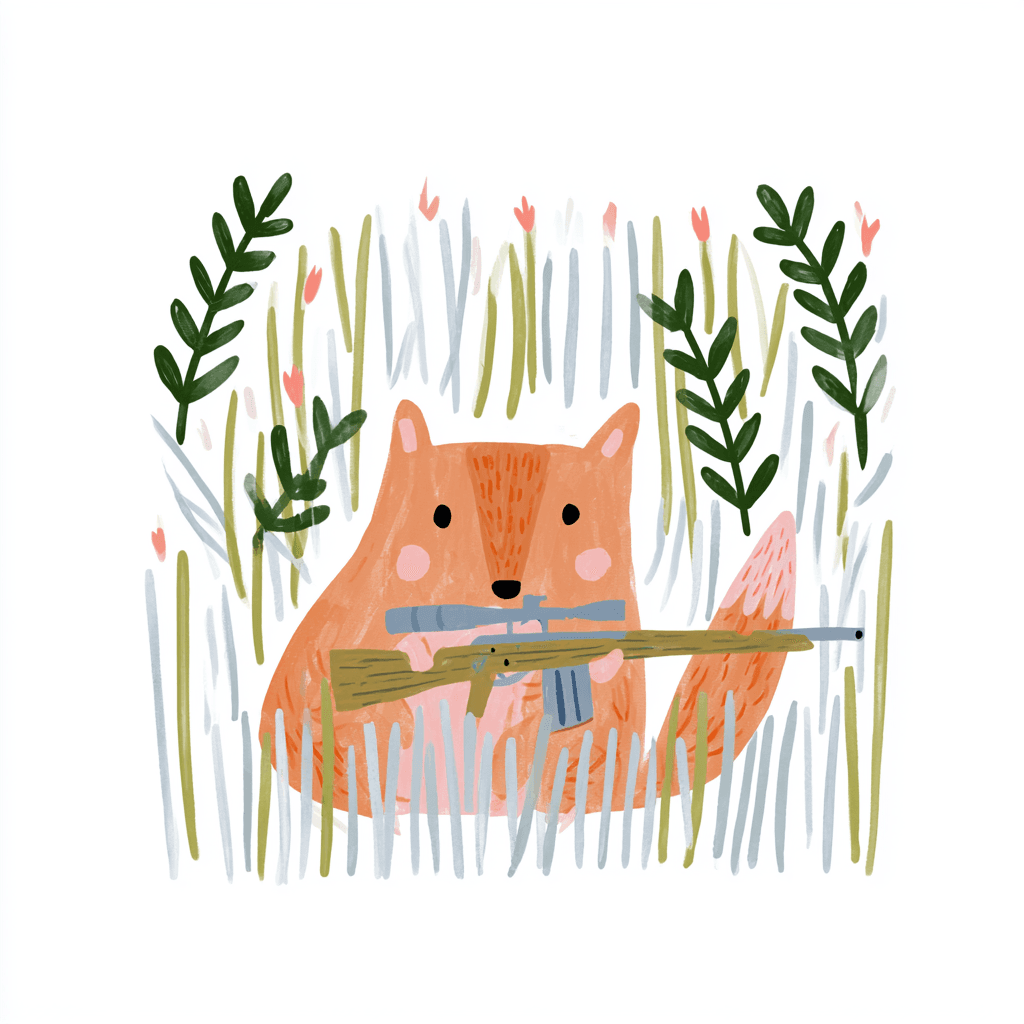
>_ THE_DIAGNOSIS
Who you are.
Most weeks you do nothing. You watch. Set alerts. Sometimes the market goes a month without giving you anything you'd touch, and you let it. When the pitch arrives — and you've been waiting — you size up and take it. Then back to watching. Half the trade frequency of your peers. Double the win rate. You don't post.
>_ THE_PATTERN
What's actually happening underneath.
You've solved the entry problem. Most haven't — they trade when there's movement, when they feel the itch, when the market looks like something is happening. You only enter when the setup is exactly right. Half the trade frequency of your peers, double the win rate. Not coincidence. Filter discipline.
The psychological mechanism is rarer than the edge itself: you're comfortable watching the market do things you're not in. Moves without you don't trigger anxiety that leads to bad trades. You've either engineered this tolerance or were born with it. Either way, it's the trait the strategy depends on. The day you can't tolerate a move without being in it is the day the SNIP result starts degrading.
One thing worth watching: at your frequency, 20-30 trades a year. Small sample to validate and update the edge. The filter needs to be explicit enough that you'd know if the market environment changed in ways that make it less applicable. "It has to feel right" isn't an explicit filter. Write it down.
>_ DAY_IN_THE_LIFE
What your trading day actually looks like.
Market moving on a macro print. Indices volatile. Chat full of setups every few minutes. Check your watchlist. Nothing meets criteria. Close the broker. Read something else.
Some days later. One setup is almost there. Watch it. Moves without you. Would have worked. You don't care, precisely — you didn't enter a setup that wasn't complete, and incomplete isn't your setup. An incomplete setup that would have worked isn't a missed trade. It's a disciplined pass.
Later. The real one. Clean entry, defined risk, clean thesis. Enter. Set the target. Set the stop. Wait. It works. Close. Back to watching. The account is up one trade. The chat is up dozens.
>_ INTERNAL_MONOLOGUE
The internal monologue. Sound familiar?
- If it's not the setup, it's not my trade.
- Missing a move isn't a mistake.
- P&L on unexecuted setups is zero — not negative.
- Better to sit on cash than force a trade.
- I'll know it when it's there.
- The edge is the filter, not the trade.
>_ STRENGTHS
Strengths.
Real traits, framed generously.
- 01
Waits, sets up, takes the shot, exits
- 02
Half the trade frequency, double the win rate
- 03
Doesn't post — trades close before anyone hears
>_ WEAKNESSES
Weaknesses.
The honest list. The one you'll argue with.
- 01
Suspect for the same reason as FUND
- 02
Sample size real but not infinite
- 03
Process must hold across regimes — hasn't been tested in all
>_ THE_WAY_OUT
If you wanted to stop being this — here's how.
No vibes. Specific behavioural moves.
The risk for SNIP isn't overtrading — it's undertrading past statistical sufficiency. At 20-30 trades a year, you're running thin data across regime changes. Edge may hold. You may not know it's degrading until three months in.
Write the criteria down. All of them. Not "has to look right" — the specific, observable conditions: price structure, volume profile, sector conditions, volatility environment, timeframe confluence. Everything measurable. Review the criteria twice a year against the last 6 months of trades. If criteria are still producing the same win rate, hold the line. If win rate degraded, adjust the filter — not the patience. Patience is the foundation. Criteria are what gets reviewed.
The SNIP edge is real. The long-tail risk is a regime it hasn't been tested against, silently eroding the win rate before you have enough data to see it coming.
>_ COMPATIBILITY
Who you trade well with — and who'll drive you insane.
>_ TRADES_WELL_WITH
>_ CLASHES_WITH
You wait longer than anyone else. You're right more often because of it. The only danger is forgetting why.
— The mirror